
AUTHENTIC VS FABRICATED NOSTALGIA2 Min Read
26-NOV-2026
Nostalgia has always been one of the most familiar moods in fashion and luxury imagery. Film grain, faded palettes, vintage props and archival styling appear across campaigns so regularly that the past is an aesthetic of its own. There is real appeal in that visual language, and it has produced some beautiful work. But when nostalgia is applied as a finish, added in post-production or built on a set, it begins to feel like a costume. The audience sees the look of memory without feeling any of its weight.
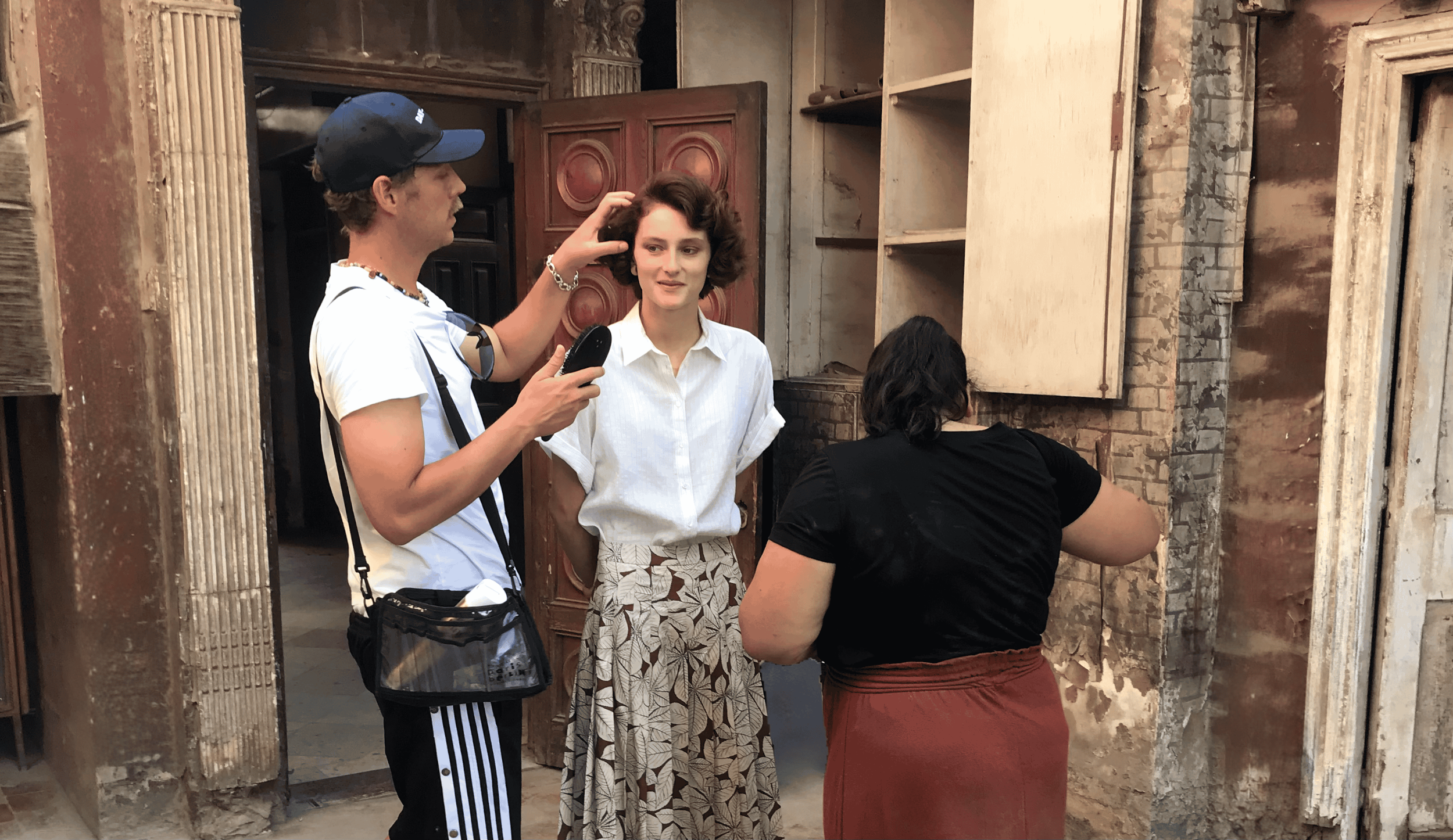
Ateliers in Cairo preserve techniques passed down through generations. Feluccas cross the Nile in much the same form they did a century ago. Coffeehouses, courtyards and riverbanks carry the traces of those who came before.

When chosen with intention, these locations do more than frame a product. They bring their own history into the image, one that can be recognised in the details rather than recreated for effect. The question, then, is what purpose that history serves within the campaign. When nostalgia contributes to the story being told, it becomes part of its meaning rather than simply its aesthetic. When used simply because it's a trend, it becomes a visual style rather than something that adds depth to the story
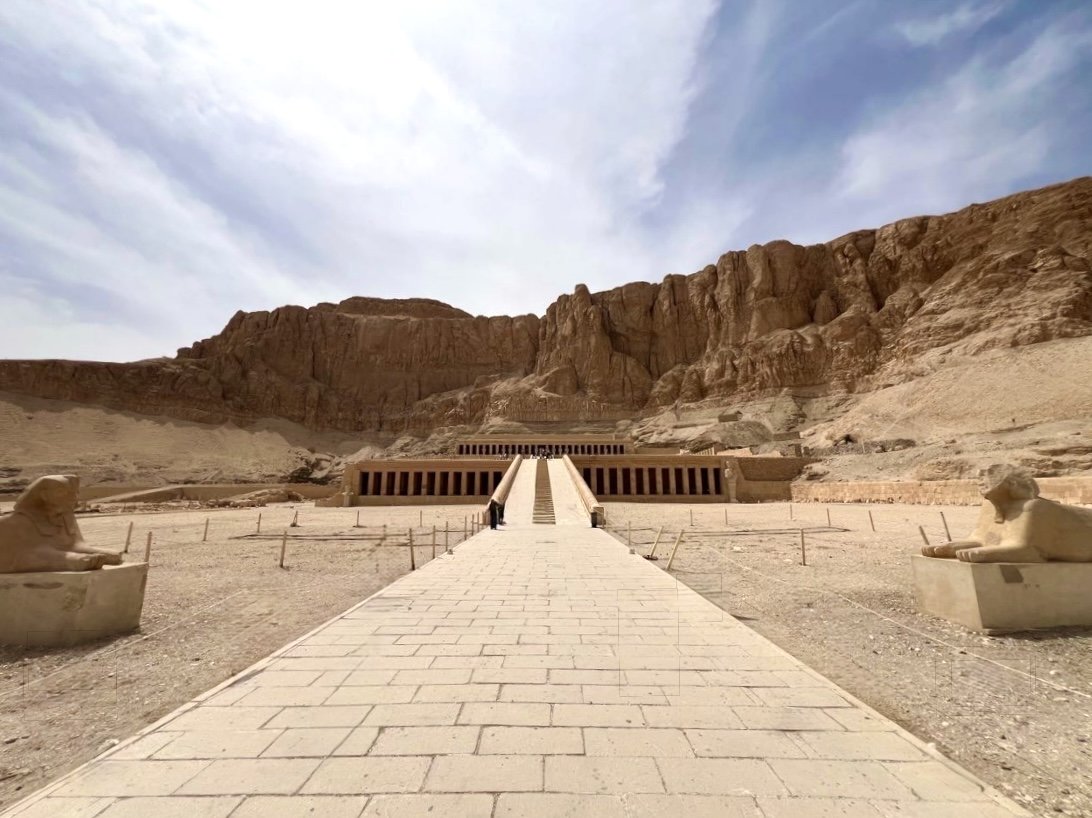
We saw this firsthand while working on Azza Fahmy’s Tales of the Nile. Rather than creating a nostalgic setting around the collection, we returned to places already connected to its story: the atelier where the house’s traditional techniques are still practised, and Luxor, where the Nile and the Temple of Hatshepsut first inspired the pieces. These places brought a history that was already part of the collection, giving the production a clear direction from the earliest planning stages through to the final edit. Nostalgia wasn't something we needed to introduce for visual effect. It was already part of the story, and every creative decision built on that.
A similar approach can be seen in Jonathan Anderson's work at Dior. Rather than treating the house's history as something to preserve unchanged, he draws on its most recognisable elements and gives them new meaning. His reinterpretation of Dior’s iconic Bar jacket, for instance, retains its recognisable identity while introducing new proportions and forms. The reference is meaningful because it belongs to Dior, and its history informs what the design becomes today. Had the aim been simply to recreate a nostalgic feeling, repeating the original silhouette might have been enough. Instead, Anderson intentionally uses the past as a starting point for something new.
Nostalgia will always have a place in fashion's visual language, whether through familiar references or a genuine connection to the past. Both can produce beautiful imagery, but when history is woven naturally into the narrative, it brings a depth that styling alone cannot recreate.